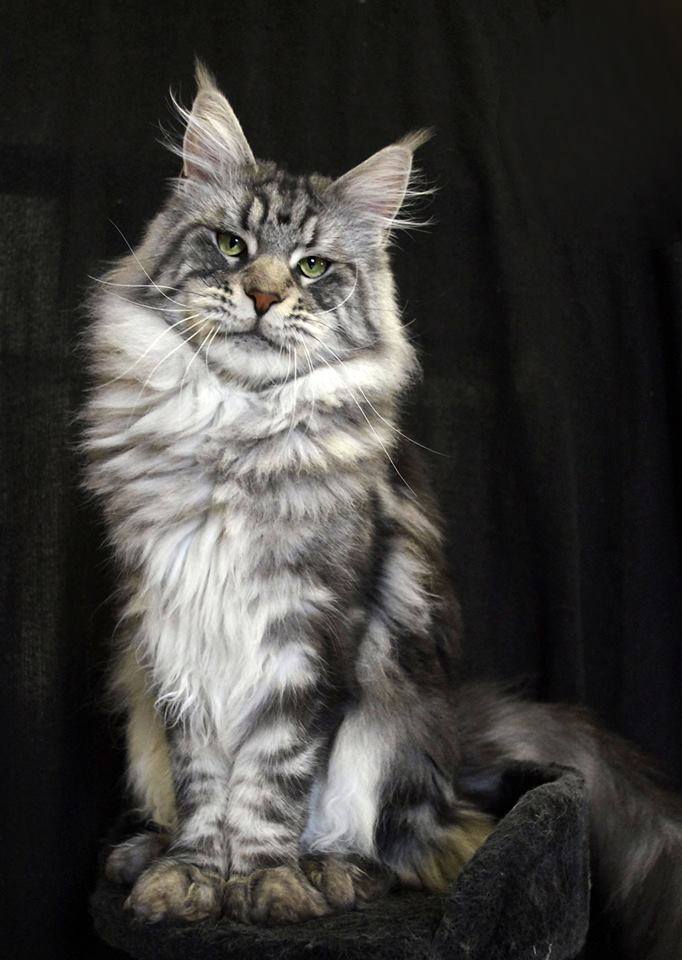
Photo: a Wikimedia Commons contributor, CC BY-SA 4.0, via Wikimedia Commons
Cat breed guide
Maine Coon
A big, shaggy, good-natured cat often called the gentle giant of the cat world.
Published by Admin · Updated
- Size
- large
- Weight
- 10–18 lb
- Lifespan
- 12–15 years
- Gentle
- Sociable
- Playful
At a glance: Large (10 to 18 lb) · Moderate energy · Kids and other pets: usually excellent · 12 to 15 years · Grooming: brush several times a week
Temperament
The Maine Coon is one of the largest domestic cat breeds, with a long, water-resistant coat, tufted ears and a plumed tail. Despite the size, most are easy-going and affectionate without being clingy. They often follow their people around the house, chirp and trill rather than meow, and stay playful well into adulthood.
Daily life
Plan on a couple of interactive play sessions a day and a sturdy cat tree, because a large cat needs strong furniture. Brush the coat several times a week to prevent mats, paying attention to the belly and behind the ears. Choose a roomy litter tray and scratching posts tall enough for a full stretch.
Health to watch
The breed can be prone to a heart condition called hypertrophic cardiomyopathy, hip dysplasia and an inherited muscle condition called spinal muscular atrophy. Ask breeders or rescues about health screening, keep your cat lean and book regular vet check-ups. Maine Coons mature slowly and may not be fully grown until three to five years old.
Rescue note
Maine Coons and Maine Coon crosses do turn up in rescue, often because owners underestimated the size and grooming. A patient adopter with space and a good brush will be richly rewarded.
General information, not veterinary advice.
Health notes
The breed can be prone to a heart condition called hypertrophic cardiomyopathy, hip dysplasia and an inherited muscle condition called spinal muscular atrophy. Ask breeders or rescues about health screening, keep your cat lean and book regular vet check-ups. Maine Coons mature slowly and may not be fully grown until three to five years old.
Maine Coon FAQ
How big does a Maine Coon get?
Adult Maine Coons typically weigh about 10 to 18 lb (roughly 5 to 8 kg), with males usually larger than females. They grow slowly and can take three to five years to reach full size.
Are Maine Coons good family cats?
Usually yes. They are known for being gentle, sociable and tolerant, and many get on well with respectful children, dogs and other cats.
How much grooming does a Maine Coon need?
Brush several times a week to prevent tangles and mats, especially on the belly, chest and behind the ears. They shed more heavily in spring and autumn.
What health problems do Maine Coons have?
The breed can be prone to hypertrophic cardiomyopathy, hip dysplasia and spinal muscular atrophy. This is general information, not veterinary advice — ask your vet about screening for your own cat.