A story inspired by real rescues. Names, places and details are invented.
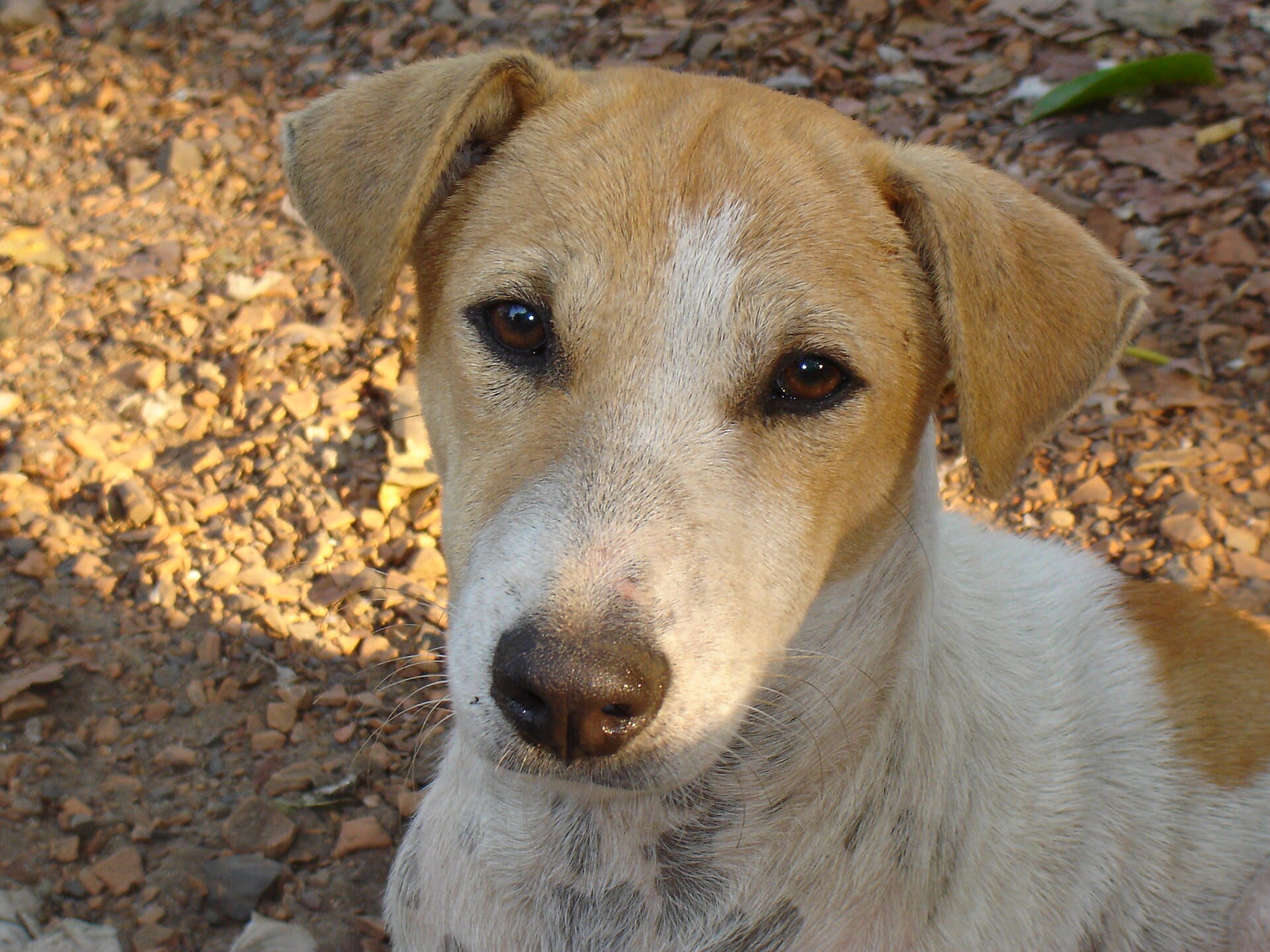
Everyone in the lane knew Sher. The baker gave him bread ends. The family on the corner left rice in a steel bowl. The schoolchildren patted his head on their way past, and the night guard let him curl up beside the gate. He had a dozen unofficial owners and no actual one.
That was fine until the day Sher limped home with a swollen paw and nobody knew who should take him to the vet. Everyone assumed someone else would. By evening, Mrs Qureshi, who ran the corner shop, decided that being everyone's dog was the same as being nobody's.
She called an informal meeting on the staircase landing. Twelve neighbours turned up. By the end of it they had a plan on the back of a biscuit packet: one person to coordinate, a small shared fund for vet visits, and a promise to find out how to arrange vaccination and sterilisation for community dogs.
The vet clinic treated the paw and, after a conversation with an animal welfare group, explained how local programmes sometimes catch, vaccinate and sterilise street dogs and return them to their area. Sher was vaccinated and neutered, and he got a bright collar so others would know he was cared for.
Things changed slowly. The feeding got more organised, with clean bowls and set times. The children learned to leave Sher alone when he was eating. A dog who had lived in a lane for years became, officially, a neighbourhood dog with a health card.
Sher still sleeps by the gate at night. But now, if he limps, twelve people know what to do. 'Feeding is kind,' Mrs Qureshi says. 'Responsibility is kinder.'
Tip: If you care for a community dog, coordinate with neighbours and a local animal welfare organisation. Vaccination (including rabies), parasite control and, where advised, sterilisation help keep both dogs and people safe. Keep feeding areas clean, avoid hand-feeding strange or aggressive dogs, and never approach an injured dog without help.
General information, not veterinary advice.