Photo: Biswarup Ganguly, CC BY-SA 3.0, via Wikimedia Commons
Breed guide
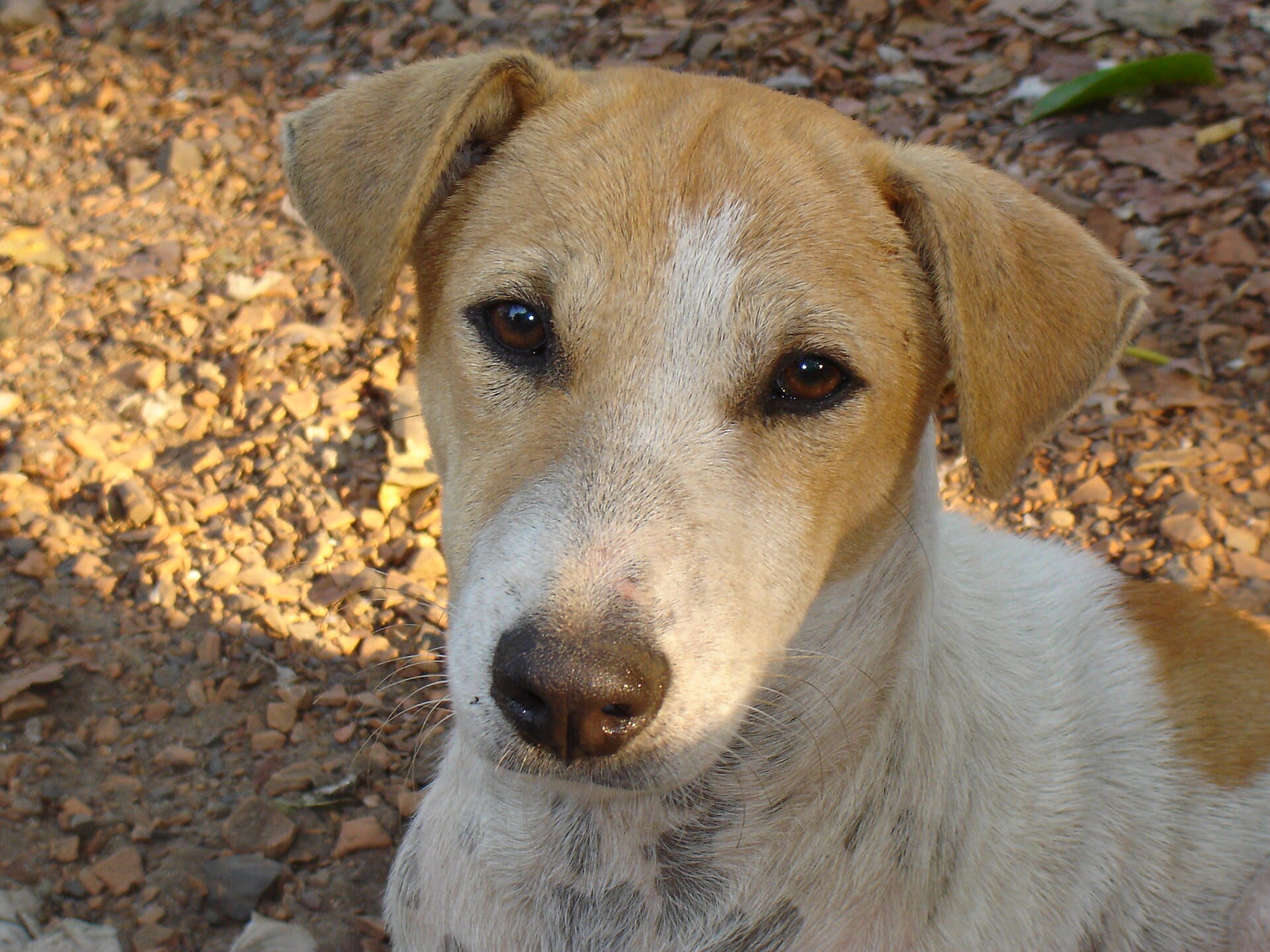
Indian Pariah (Desi) Dog
India's natural landrace dog: alert, quick to learn and deeply loyal, with a very low-maintenance coat.
Published by Admin · Updated
- Size
- medium
- Weight
- 30–55 lb
- Height
- —
- Lifespan
- 12–15 years
- Alert
- Intelligent
- Loyal
At a glance: Medium (roughly 30 to 55 lb) · High energy · Kids: yes, if well socialised · 12 to 15 years · Grooming: very low, short coat
Temperament
The Indian Pariah, often called the desi dog, is a natural landrace that developed alongside people in South Asia over thousands of years. It is alert, intelligent, quick to learn and deeply loyal to its family. It can be wary of strangers and territorial if it is not socialised early.
Daily life
These dogs are athletic and need daily walks, running and mental work. Their short coat is easy to keep clean and needs only occasional brushing. Reward-based training works well, and they usually settle into family life once their routine is clear.
Health to watch
The breed is generally robust because of natural selection, but ticks and the diseases they carry, parasites, skin allergies and injuries are the main risks. Keep up tick and flea prevention, vaccinations (including rabies) and sterilisation.
Rescue note
Adopting a desi dog is one of the most direct ways to rescue a dog in this region. Many are found as street puppies, so ask your vet for a full check, vaccination plan and sterilisation advice.
General information, not veterinary advice.
Health notes
The breed is generally robust because of natural selection, but ticks and the diseases they carry, parasites, skin allergies and injuries are the main risks. Keep up tick and flea prevention, vaccinations (including rabies) and sterilisation.
Indian Pariah (Desi) Dog FAQ
How big does a Indian Pariah (Desi) Dog get?
Adult Indian Pariah (Desi) Dogs typically weigh about 30 to 55 lb (roughly 14 to 25 kg), depending on the individual dog, its sex and its build.
How long do Indian Pariah (Desi) Dogs live?
Indian Pariah (Desi) Dogs typically live about 12 to 15 years. Good veterinary care, a healthy weight, exercise and genetics all play a part.
How much exercise does a Indian Pariah (Desi) Dog need?
These dogs are athletic and need daily walks, running and mental work. Their short coat is easy to keep clean and needs only occasional brushing.
What health problems should I watch for in a Indian Pariah (Desi) Dog?
The breed is generally robust because of natural selection, but ticks and the diseases they carry, parasites, skin allergies and injuries are the main risks. Keep up tick and flea prevention, vaccinations (including rabies) and sterilisation. This is general information, not veterinary advice — ask your vet about your own dog.