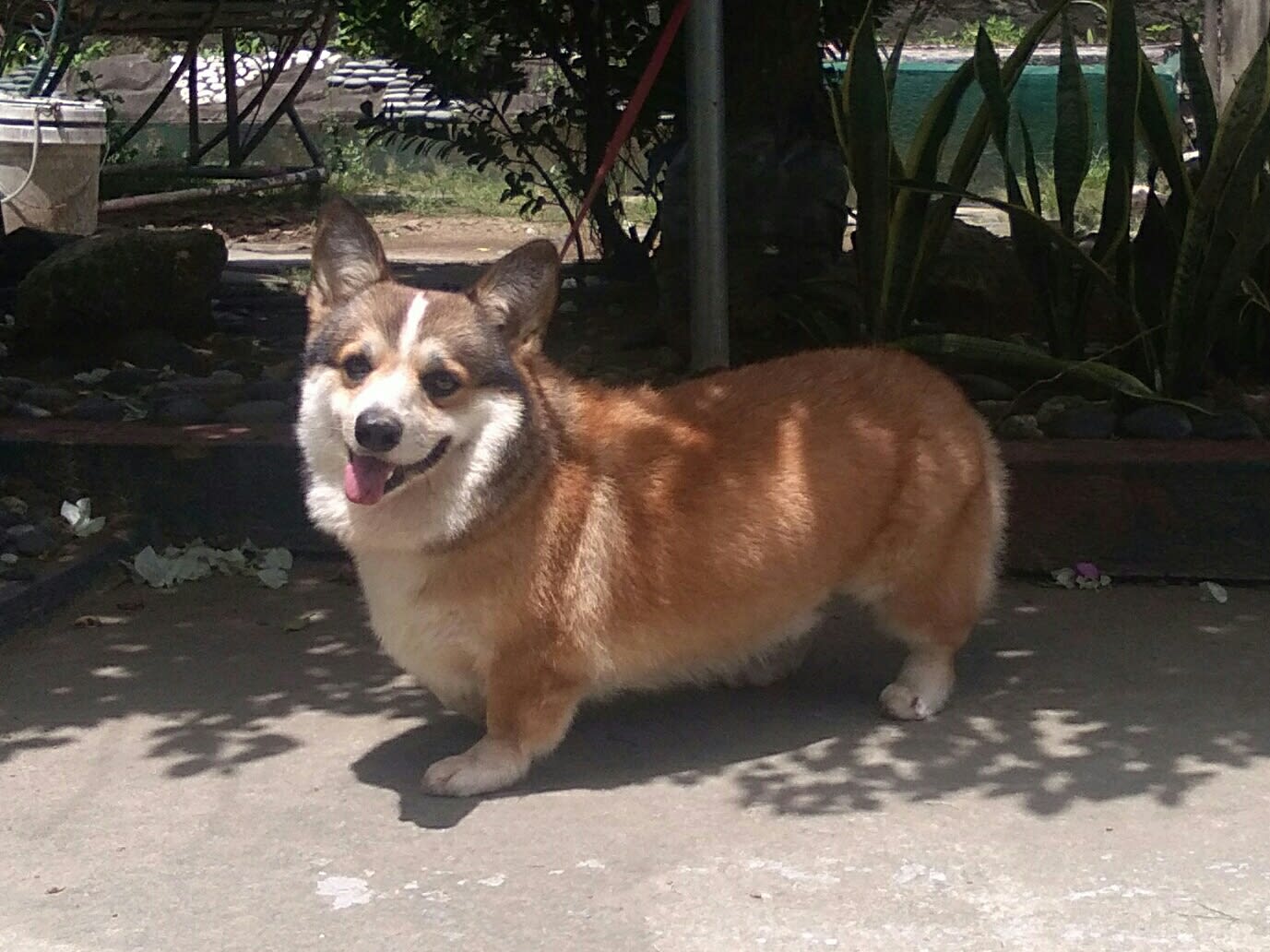
Photo: Dog breed facts, CC BY-SA 4.0, via Wikimedia Commons
Breed guide
Pembroke Welsh Corgi
A short-legged herding dog with a big brain, a fox-like face and a lot of fur to vacuum.
Published by Admin · Updated
- Size
- small
- Weight
- 25–30 lb
- Height
- —
- Lifespan
- 12–14 years
- Bold
- Smart
- Affectionate
At a glance: Small (25 to 30 lb) · Active · Kids: good, but may herd (nip heels) · 12 to 14 years · Grooming: brush a few times a week, heavy shedding
Temperament
Corgis were bred to herd cattle, and they still carry that confidence. They are smart, cheerful and eager to join in, and they can be vocal. Without direction a Corgi may try to herd children or other pets by nipping at heels, so teach polite manners from the start.
Daily life
Despite their short legs, Corgis need real exercise: daily walks, games and training. They love food, so measure meals carefully, because extra weight puts strain on their long backs. Avoid forcing them to jump on and off furniture and use ramps where possible.
Health to watch
Watch for back problems, hip dysplasia, eye conditions and a spinal disease called degenerative myelopathy. Keeping a Corgi lean is one of the best things you can do for its joints and spine. Ask your vet about screening tests for any dog you consider adopting from a breeder.
Rescue note
Corgis in rescue are often young, energetic dogs whose owners were charmed by their looks and not ready for the shedding and herding instincts.
General information, not veterinary advice.
Health notes
Watch for back problems, hip dysplasia, eye conditions and a spinal disease called degenerative myelopathy. Keeping a Corgi lean is one of the best things you can do for its joints and spine. Ask your vet about screening tests for any dog you consider adopting from a breeder.
Pembroke Welsh Corgi FAQ
How big does a Pembroke Welsh Corgi get?
Adult Pembroke Welsh Corgis typically weigh about 25 to 30 lb (roughly 11 to 14 kg), depending on the individual dog, its sex and its build.
How long do Pembroke Welsh Corgis live?
Pembroke Welsh Corgis typically live about 12 to 14 years. Good veterinary care, a healthy weight, exercise and genetics all play a part.
How much exercise does a Pembroke Welsh Corgi need?
Despite their short legs, Corgis need real exercise: daily walks, games and training. They love food, so measure meals carefully, because extra weight puts strain on their long backs.
What health problems should I watch for in a Pembroke Welsh Corgi?
Watch for back problems, hip dysplasia, eye conditions and a spinal disease called degenerative myelopathy. Keeping a Corgi lean is one of the best things you can do for its joints and spine. This is general information, not veterinary advice — ask your vet about your own dog.