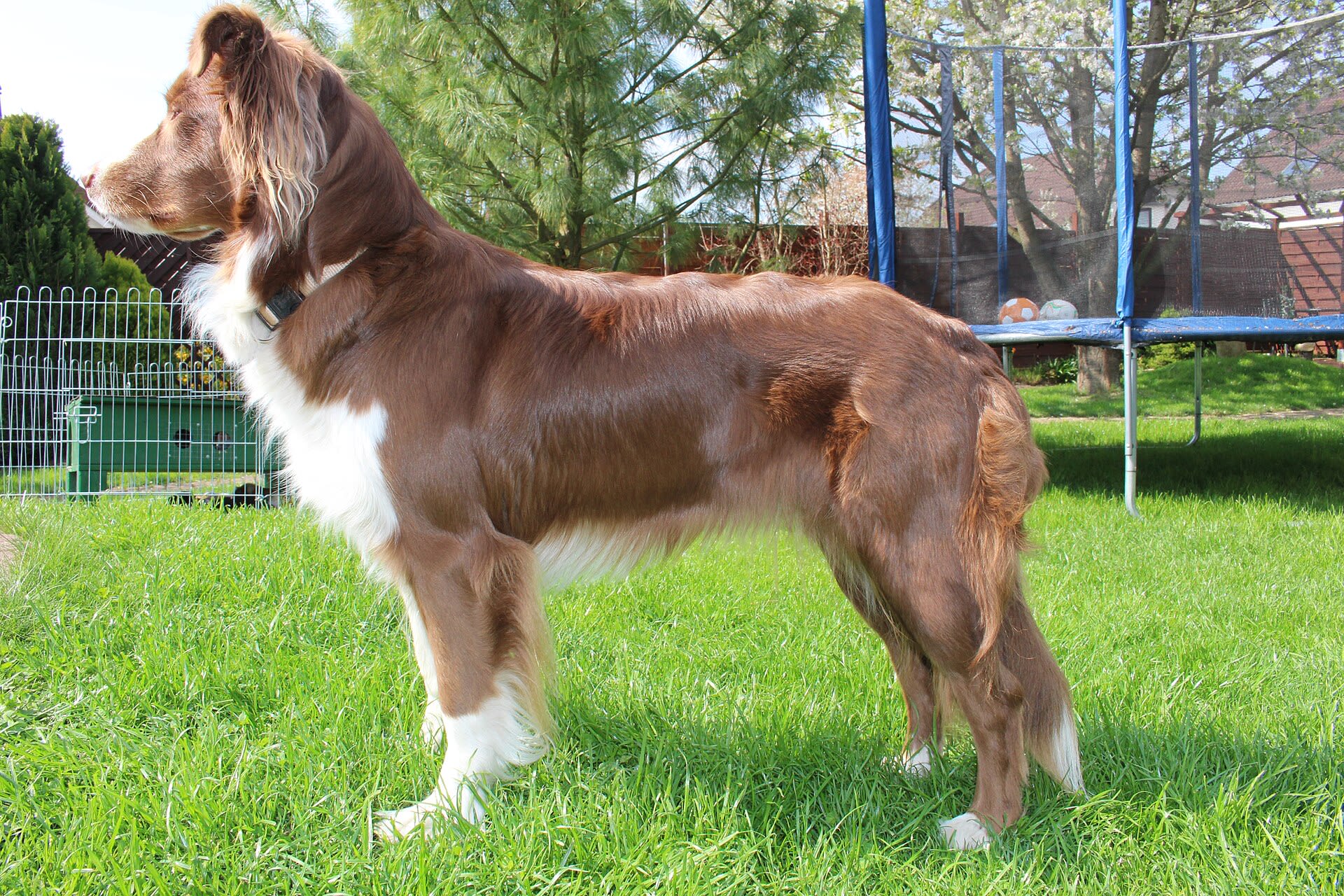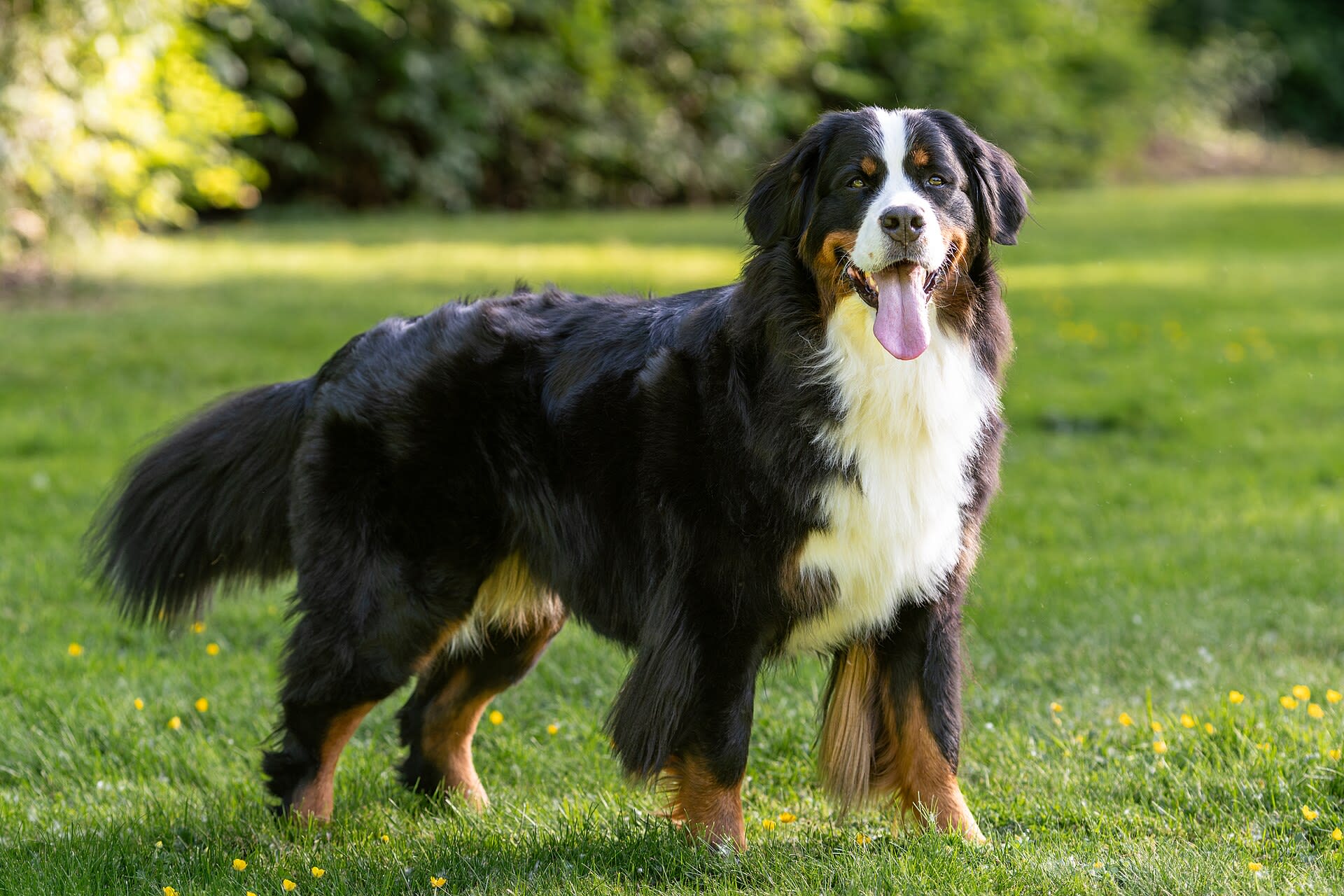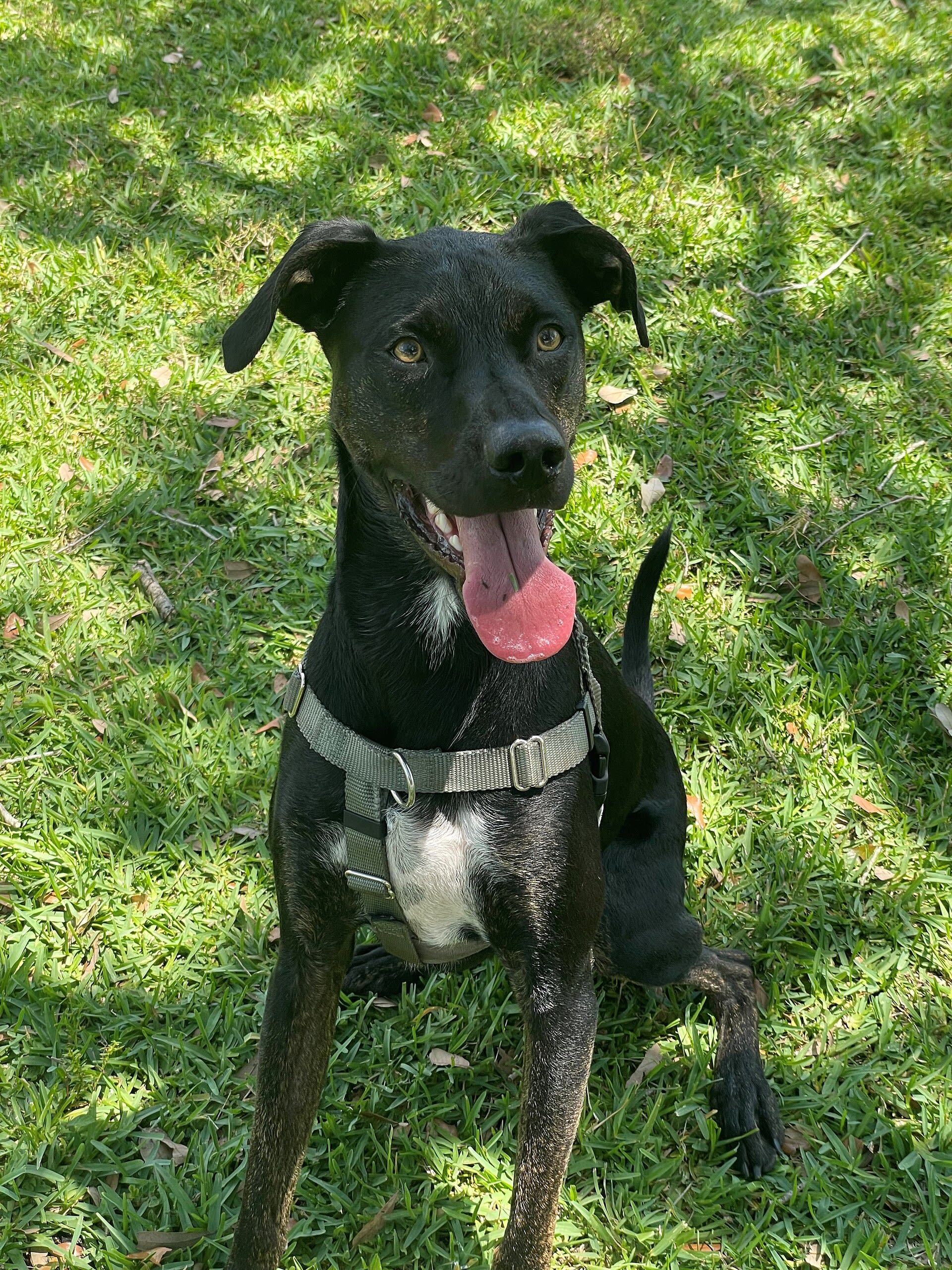
Photo: Mribakov, CC BY-SA 4.0, via Wikimedia Commons
Breed guide
Mixed-Breed Rescue Dog
A one-of-a-kind combination: judge the dog in front of you, not the breed guess on its card.
Published by Admin · Updated
- Size
- medium
- Weight
- —
- Height
- —
- Lifespan
- —
- One of a kind
- Individual
- Often adaptable
At a glance: Size varies · Energy varies · Kids: depends on the individual dog · Lifespan varies, and smaller dogs usually live longer · Grooming: depends on coat
Temperament
A mixed-breed dog is a one-of-a-kind combination, so its behaviour tells you more than its breed guess. Spend time with the dog, and ask the shelter or foster about energy, behaviour around children, other dogs and cats, and time alone.
Daily life
Plan around the dog in front of you. A shelter dog may need a few weeks to show its real personality, so give it a quiet space, routine and patience. Many breed labels on shelter records are guesses, and looks can mislead.
Health to watch
Mixed dogs can still inherit conditions from their parent breeds, so "hybrid vigour" is only a partial truth. A full vet check, vaccinations, parasite control and sterilisation are the starting point. A DNA test is optional and can give a rough breed mix and some health markers.
Rescue note
Many dogs waiting for homes are mixed-breed. Adopters who stay open-minded about size, colour and age often find a calm adult who fits their life better than a puppy.
General information, not veterinary advice.
Health notes
Mixed dogs can still inherit conditions from their parent breeds, so "hybrid vigour" is only a partial truth. A full vet check, vaccinations, parasite control and sterilisation are the starting point. A DNA test is optional and can give a rough breed mix and some health markers.
Mixed-Breed Rescue Dog FAQ
How much exercise does a Mixed-Breed Rescue Dog need?
Plan around the dog in front of you. A shelter dog may need a few weeks to show its real personality, so give it a quiet space, routine and patience.
What health problems should I watch for in a Mixed-Breed Rescue Dog?
Mixed dogs can still inherit conditions from their parent breeds, so "hybrid vigour" is only a partial truth. A full vet check, vaccinations, parasite control and sterilisation are the starting point. This is general information, not veterinary advice — ask your vet about your own dog.