A story inspired by real rescues. Names, places and details are invented.
Priya's flat had room for one dog and a drying rack. Then a colleague mentioned that her neighbour's Boston Terrier cross, Mabel, needed a home, and Priya spent three nights doing sums about space, time and money before she said yes.
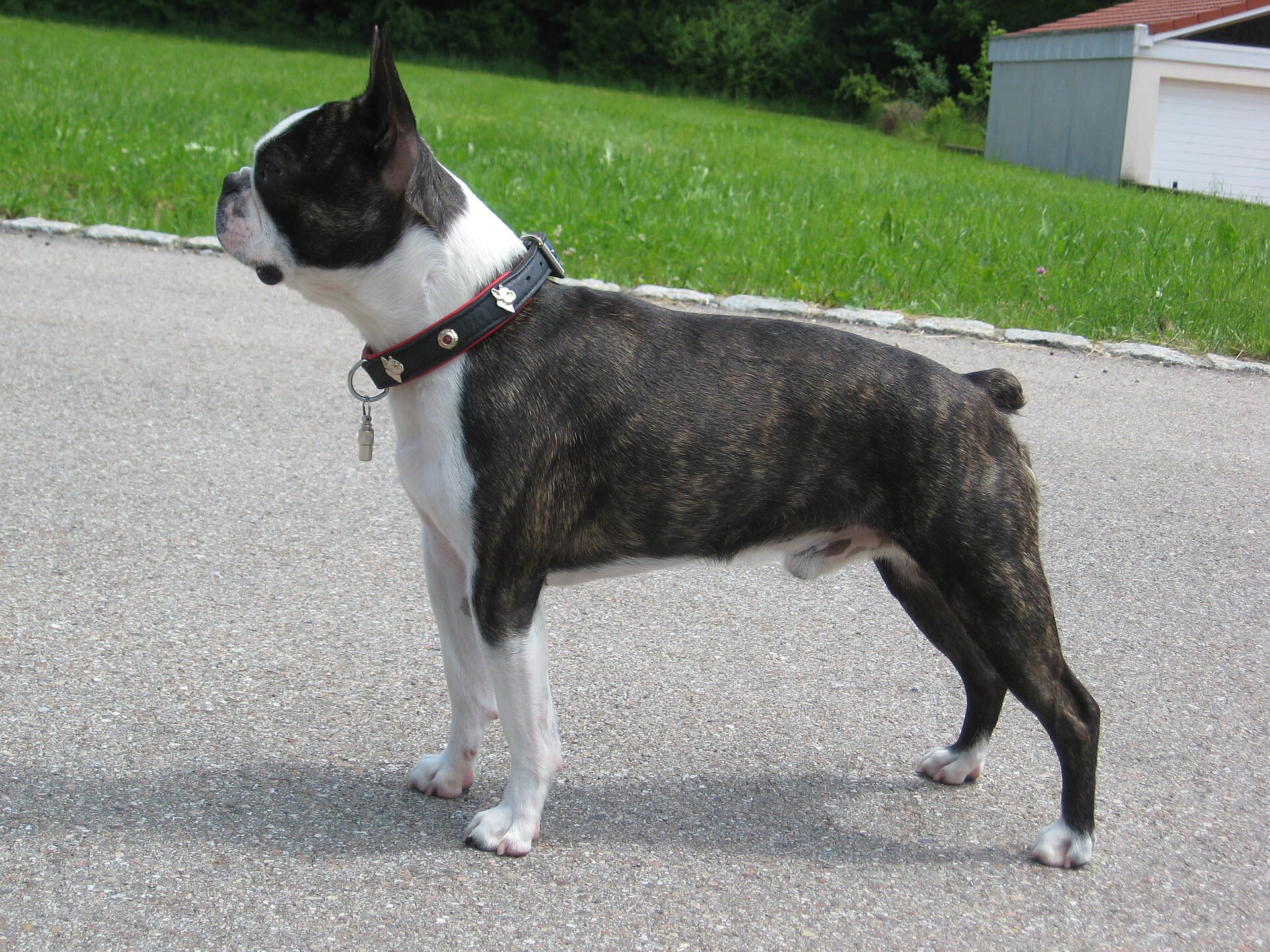
Her worry was Otis. At six, he was a gentle but opinionated Boston, and he liked his sofa corner and his routine. The rescue advised a slow, neutral introduction. They met on a quiet path away from the flat, each on a lead with a calm person, and walked in the same direction fifteen metres apart.
For a week they walked like that, side by side but never nose to nose. When Otis stopped staring and started sniffing the ground, the distance shrank. On day eight they were allowed a brief, loose-lead hello, with a pause before either got too tense.
Back at the flat the rules stayed simple. Separate beds. Separate bowls at opposite ends of the kitchen. No shared chew toys. A baby gate so each dog could retreat. Priya gave Otis time alone with her on the sofa every evening, so he did not feel replaced.
There were wobbles. One afternoon Otis growled over a squeaky toy, and Priya put it away without scolding either dog. She noticed that she needed to manage things like doorways and treats, where dogs often feel crowded.
After a month they started sleeping in the same room. After three, Mabel followed Otis everywhere and he tolerated it with the weary patience of an older brother. Priya stopped counting the square metres. The flat felt fuller, and warmer, than it ever had with one dog.
Tip: Introduce dogs on neutral ground, on lead, with parallel walks before any close contact. At home, give each dog their own bed, bowl and space, manage food, toys and doorways, supervise interactions and keep one-to-one time with each dog. If you see stiff body language, hard staring or repeated growling, create distance and ask a qualified trainer for help.
General information, not veterinary advice.