A story inspired by real rescues. Names, places and details are invented.
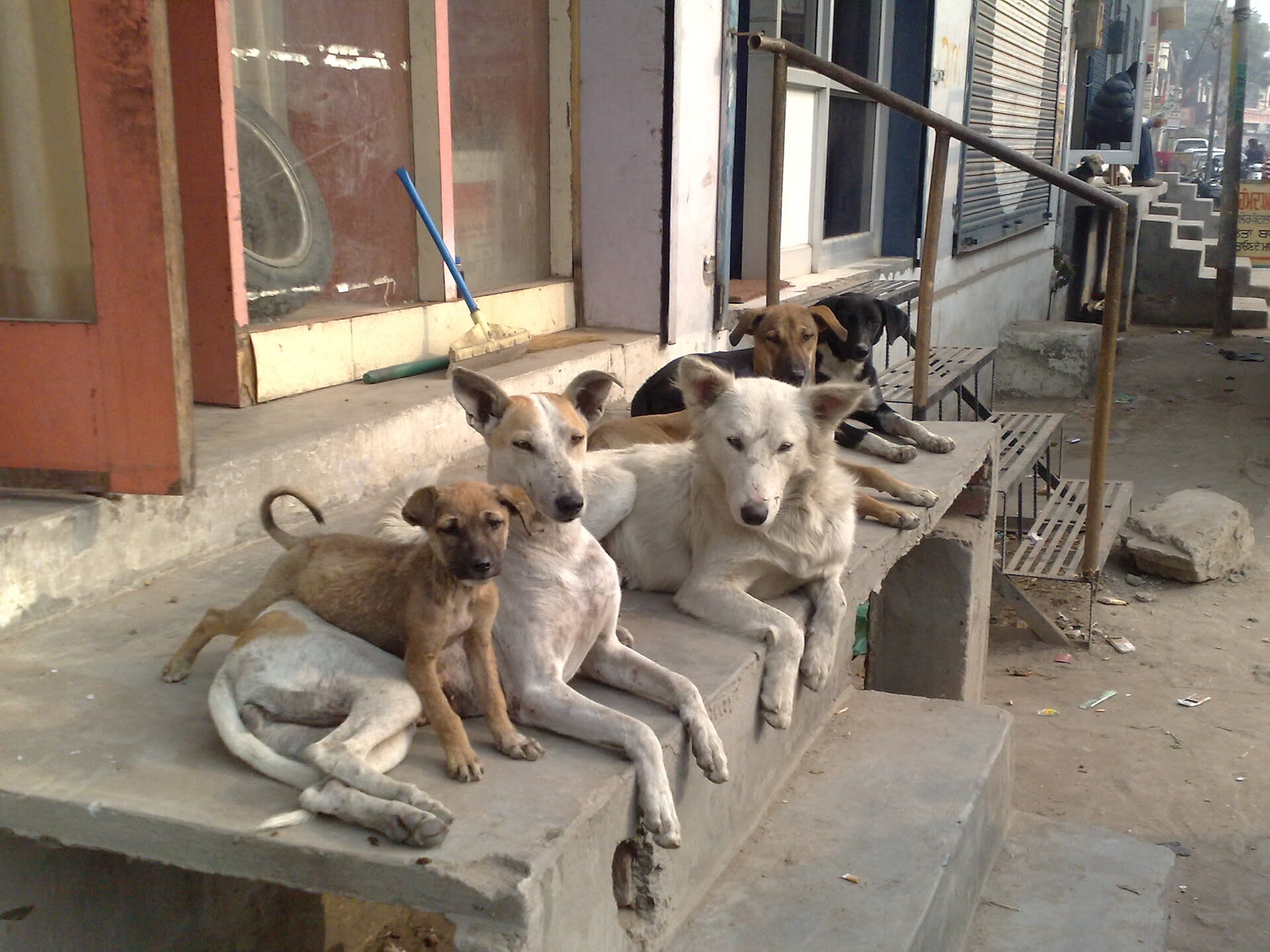
Every morning at six, Rashid lifted the shutter of his tea stall, and every morning a thin tan puppy was already waiting beside the sugar sack, ears flat and tail low, as if he had been told not to hope for too much.
Rashid never planned to feed him. But the puppy had a way of looking at the biscuit tin. By the end of the first week there was a chipped saucer of milk behind the stall. By the end of the second the puppy had a name, Chai, chosen by Rashid's daughter Hira because "he's the same colour as your tea."
Hira was nine and very serious about it. She noticed things the adults didn't: that Chai scratched his ears until they bled, that he flinched when a motorbike passed, that he never once left the shade of the stall. "He's not a stall dog," she told her father. "He's a dog who has nowhere else."
That sentence stayed with Rashid. On Sunday he closed early, wrapped the puppy in an old scarf and walked him to a small vet clinic two lanes away. The vet found ticks, worms and a skin infection, but nothing that couldn't be treated. "He's tougher than he looks," she said, "but he needs medicine, vaccines and a quiet place to sleep."
The quiet place was a cardboard box beside Hira's bed. The medicine took six weeks. The first time Chai wagged his whole body instead of just his tail, Hira laughed so loudly that the neighbours knocked to check on them.
Now Chai still visits the stall every morning, but he leaves at night with Hira, and he goes home. He has a collar, a vaccination card pinned to the fridge, and a habit of sitting on the bottom step as if he is guarding the house. When customers ask what breed he is, Rashid shrugs. "The best kind," he says. "The kind that waited."
Tip: If you bring home a street dog, start with a vet visit: a full check, vaccinations (including rabies), parasite treatment and, when your vet advises it, sterilisation. Give the dog a quiet space at first and introduce the rest of the home slowly.
General information, not veterinary advice.