A story inspired by real rescues. Names, places and details are invented.
Noor signed up to foster a dog for two weeks. She was very clear about it. "Two weeks," she told her sister. "I'm just helping out. I'm not keeping him."
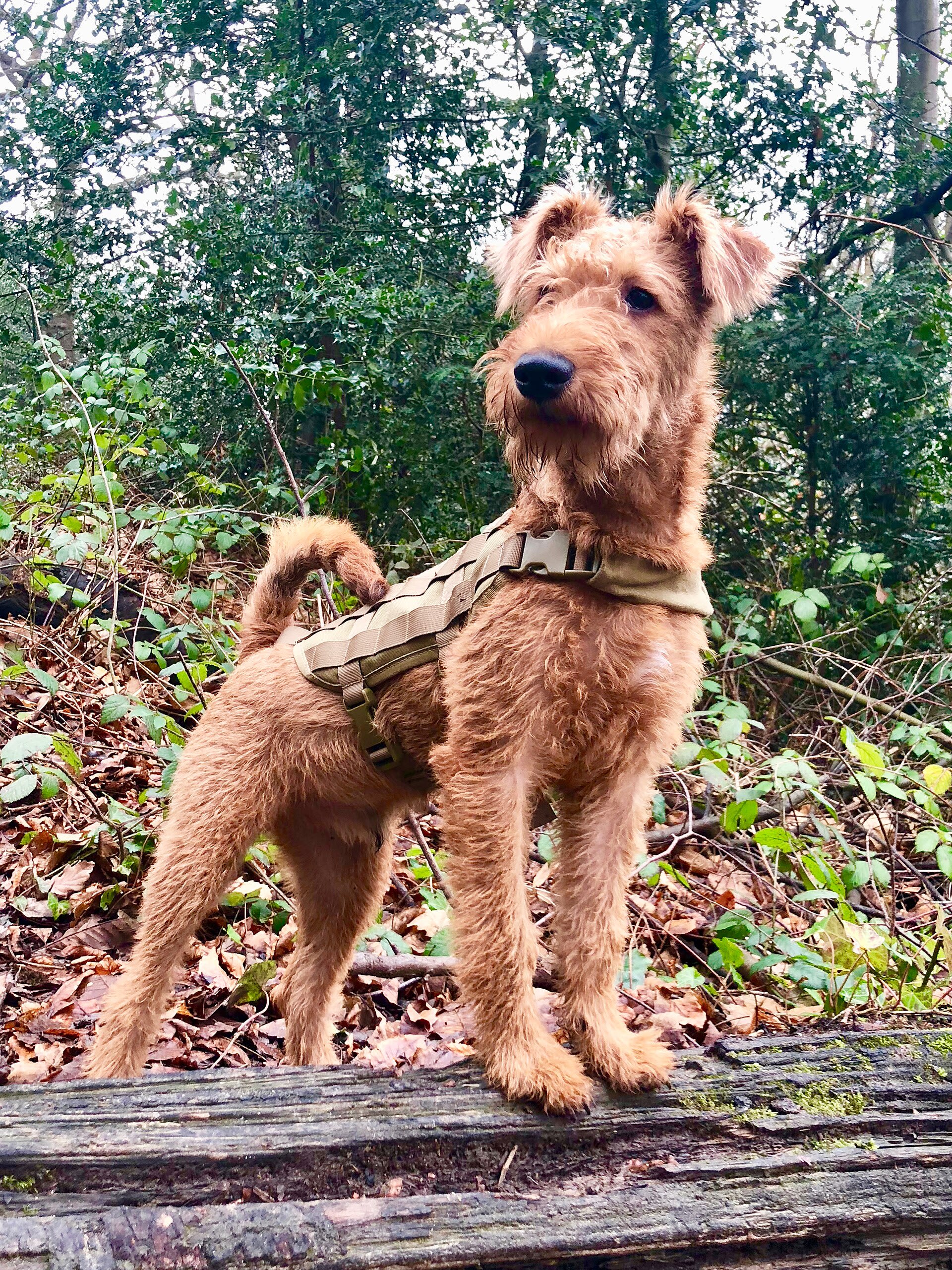
The dog arrived in a cardboard box, a scruffy, wire-haired terrier mix with one ear up and one ear down. The shelter hadn't had time to name him. Noor didn't want to either, because names are how it starts. So she called him "Maybe," because that was the answer to every question: Is he house-trained? Maybe. Does he like cats? Maybe. Will he be okay? Maybe.
For the first few days, Maybe was jumpy and watchful. He barked at the postman. He hid from the vacuum. He seemed afraid of men in hats, which Noor found out when her uncle visited. She wrote everything down in a small notebook: what he ate, when he slept, which toys he liked and which sounds scared him.
By the second week, Maybe was a different dog. He walked on a loose lead, waited at doors and learned to sit for a piece of chicken. He also learned to sleep on the end of Noor's bed, which she said was temporary.
On the last day, the shelter sent a message. A retired couple, a quiet house and a garden had been looking for a calm, funny dog. Noor read the message three times. Then she gave the shelter her notebook.
She cried in the car park. Then she went home, washed the bowl and put her name down for another foster.
A month later, a photo arrived. Maybe was lying in a patch of sun, one ear up, one ear down. The couple had renamed him Walter. He didn't seem to mind.
Tip: Fostering gives shelter space, and a foster's notes about a dog's habits, fears and favourites help the shelter find the right adopter. Ask the shelter what supplies and vet costs they cover, and keep a simple notebook from day one.
General information, not veterinary advice.