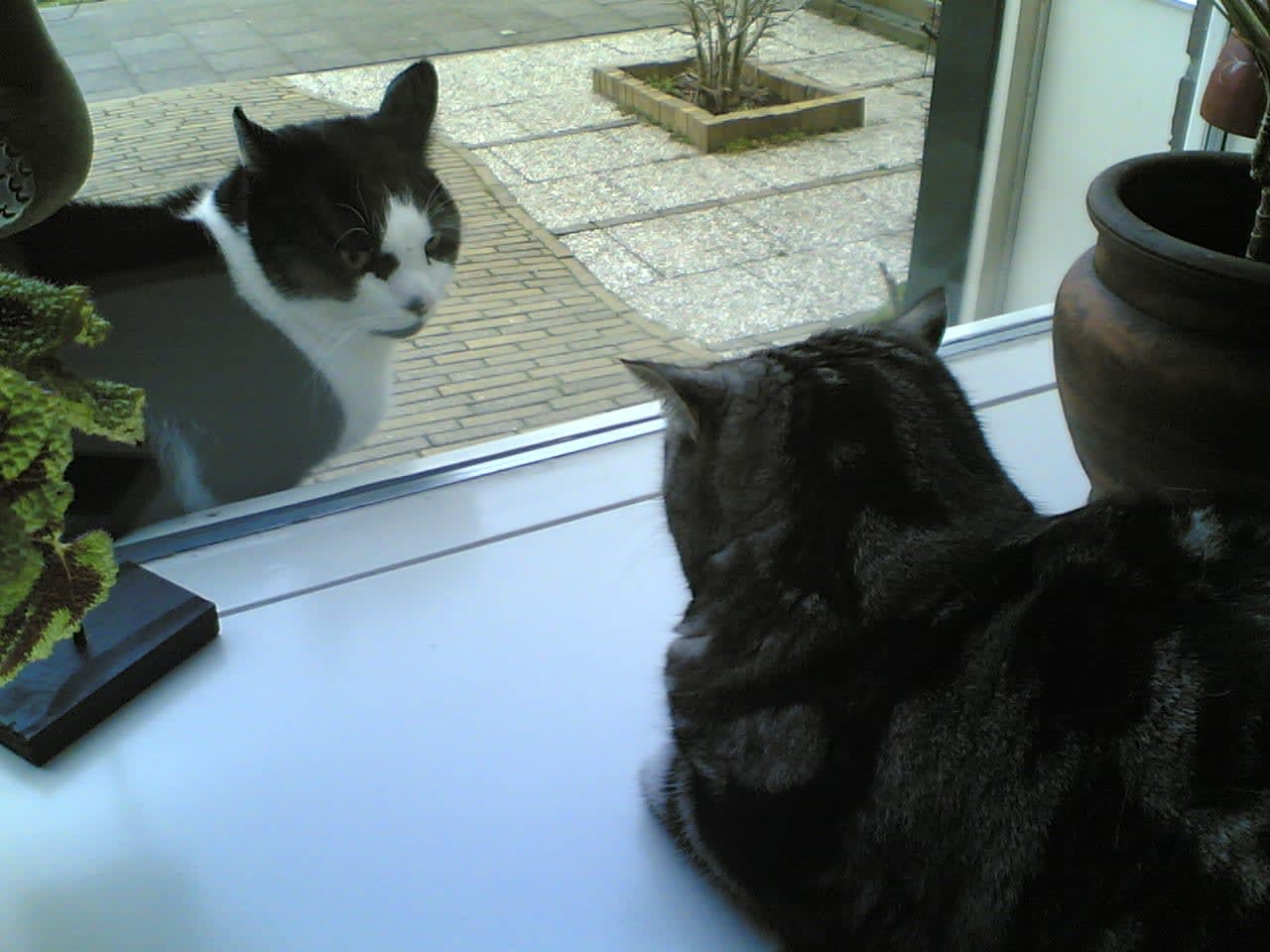
Cats have a reputation for being hard to read, but they are communicating all the time. The messages are simply quieter than a dog's. Once you know where to look, a cat's tail, ears, eyes and posture tell you most of what it is feeling.
No single signal tells the whole story, so always read the whole cat and the situation it is in.
The tail
- Held straight up, sometimes with a small curl at the tip: a friendly greeting.
- Gently swaying or still while resting: relaxed.
- Swishing or thumping from side to side: irritation or over-excitement. Time to stop stroking.
- Puffed up like a bottle brush: frightened or startled.
- Tucked tightly under or around the body: anxious or unwell.
The ears
Ears facing forward mean your cat is interested and comfortable. Ears that swivel are following sounds. Ears turned sideways or flattened against the head are a clear sign of fear or annoyance, and flattened ears mean back off.
The eyes
Soft, half-closed eyes belong to a relaxed cat. A slow blink is one of the nicest things a cat can say to you: a slow blink is a sign of trust. Try slowly blinking back and looking away, and many cats will return it.
Wide eyes with large pupils can mean fear, excitement or play, so check the rest of the body. A hard, unblinking stare between cats is a challenge.
Posture
A relaxed cat is loose: stretched out, curled in a soft ball or lying on its side. A worried cat makes itself small, crouching low with its legs tucked under, ready to run. A frightened cat that feels cornered may arch its back and stand sideways to look bigger.
A cat that rolls over and shows its belly is saying it feels safe. It is not always asking for a tummy rub, and many cats will grab a hand that tries.
Signs of a happy cat
- Tail up when it greets you.
- Slow blinks and soft eyes.
- Kneading with the front paws.
- Head bumps and cheek rubs, which also mark you with its scent.
- Choosing to sit or sleep near you.
- Eating, grooming and using the litter tray normally.
Signs your cat wants space
Hissing, growling, a lashing tail, flattened ears, skin rippling along the back and a sudden turn of the head towards your hand are all warnings. Respect the warning and give your cat room. A cat that learns its quiet signals are ignored may skip straight to scratching or biting next time.
When behaviour changes suddenly
You know your own cat's normal. Hiding more than usual, sudden aggression, less grooming, a hunched posture or a change in eating or litter habits can all be signs of pain or illness. A sudden change in behaviour is a reason to call your vet.
Tip: Let your cat choose when contact starts and ends. Offer a hand to sniff, stroke the cheeks and chin first, and stop after a few seconds. If your cat leans in for more, carry on.
General information, not veterinary advice. If you are worried about your cat, contact your vet.